
News
CONTENTS
LHU Accounting Students Explore the Application of AI in Accounts Receivable Management through Practical Business Insights
As digital transformation continues to reshape financial management and accounting practices within businesses, artificial intelligence (AI) is creating new opportunities to enhance information processing, data analysis, and decision-making efficiency. To provide students with practical insights into the application of emerging technologies in accounting, the Accounting Club of the Faculty of Finance and Accounting at Lac Hong University (LHU) organized a seminar entitled “Practical Applications of Artificial Intelligence in Accounts Receivable Management.”
On the afternoon of October 19, 2026, the Accounting Club held the seminar at Hall A301, Lac Hong University, featuring Mr. Nguyen Doan Huy, Chief Financial Officer (CFO) of Loi Loc Holdings Group, as the guest speaker. The seminar was part of the Accounting Club’s professional development activities for the 2026–2027 academic year, designed for Accounting students and other students interested in the application of technology in corporate financial management.
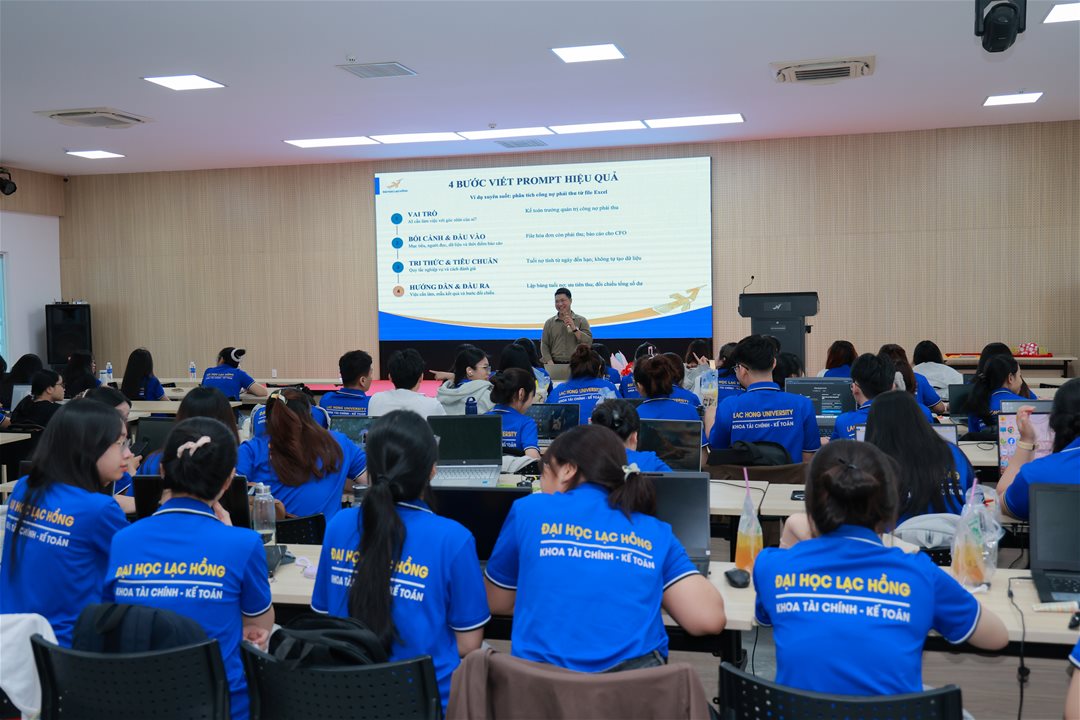
Addressing a highly practical and professionally relevant topic, the seminar focused on the application of artificial intelligence in accounts receivable management, a critical component of accounting operations and corporate financial management. Exploring the potential of AI in data processing, receivables monitoring, and information analysis provided students with valuable perspectives on emerging trends and technological innovations in accounting practices within an increasingly digitalized business environment.
Drawing on the professional perspective of a corporate financial executive, the seminar offered students opportunities to connect their academic knowledge of accounting, accounts receivable management, and financial control with real-world business requirements. In particular, the session emphasized that the effective adoption of technology involves not only improving operational efficiency but also strengthening information evaluation, risk management, and the application of professional judgment in decision-making processes.
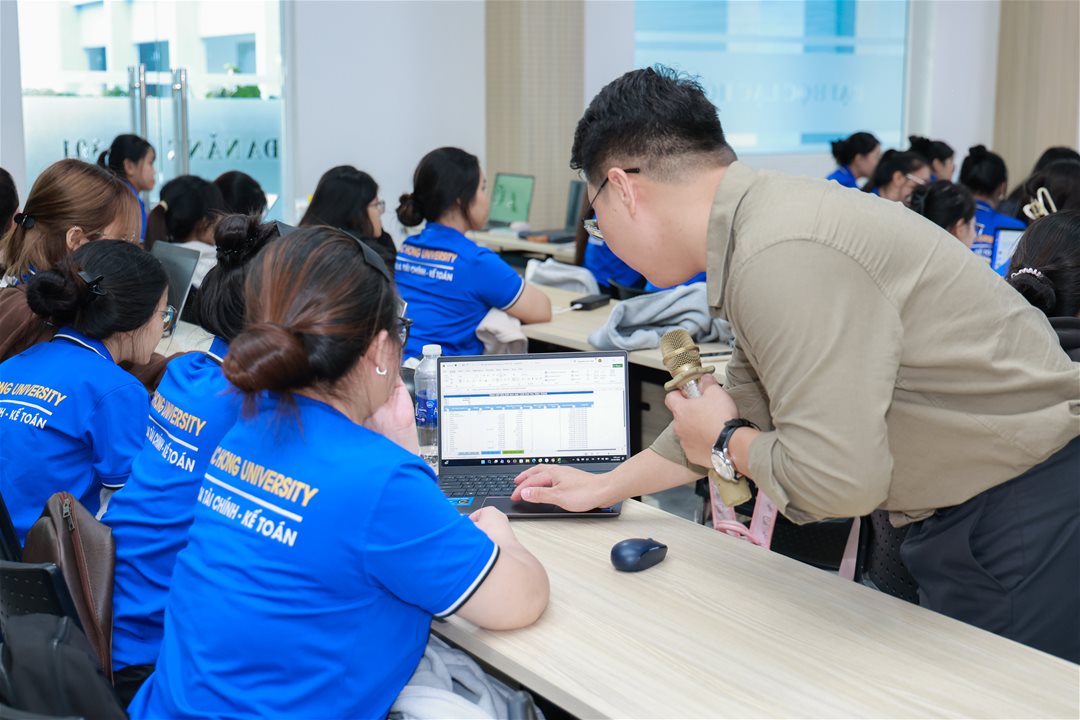
Beyond enhancing specialized knowledge, the seminar encouraged students to proactively explore emerging technological tools, develop analytical thinking, and strengthen their adaptability to changes in the accounting profession. As businesses increasingly prioritize digital transformation, the integration of accounting knowledge, data analytical skills, and AI application competencies will provide an essential foundation for students to enhance their employability and respond effectively to the evolving demands of the labor market.
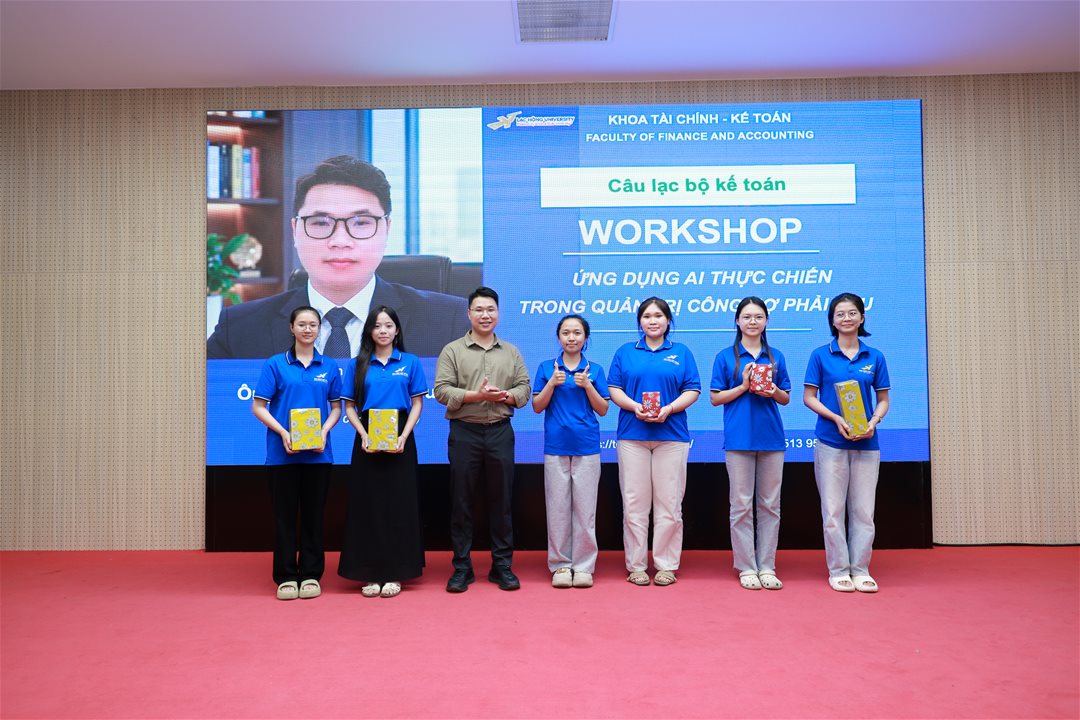
Through its professional seminars, the Accounting Club continues to serve as a platform for learning, knowledge exchange, and engagement among the Faculty, industry partners, and students. These activities also reflect the Faculty of Finance and Accounting’s commitment to connecting classroom learning with professional practice, enabling students to broaden their knowledge, strengthen their professional competencies, and better prepare for employment after graduation.
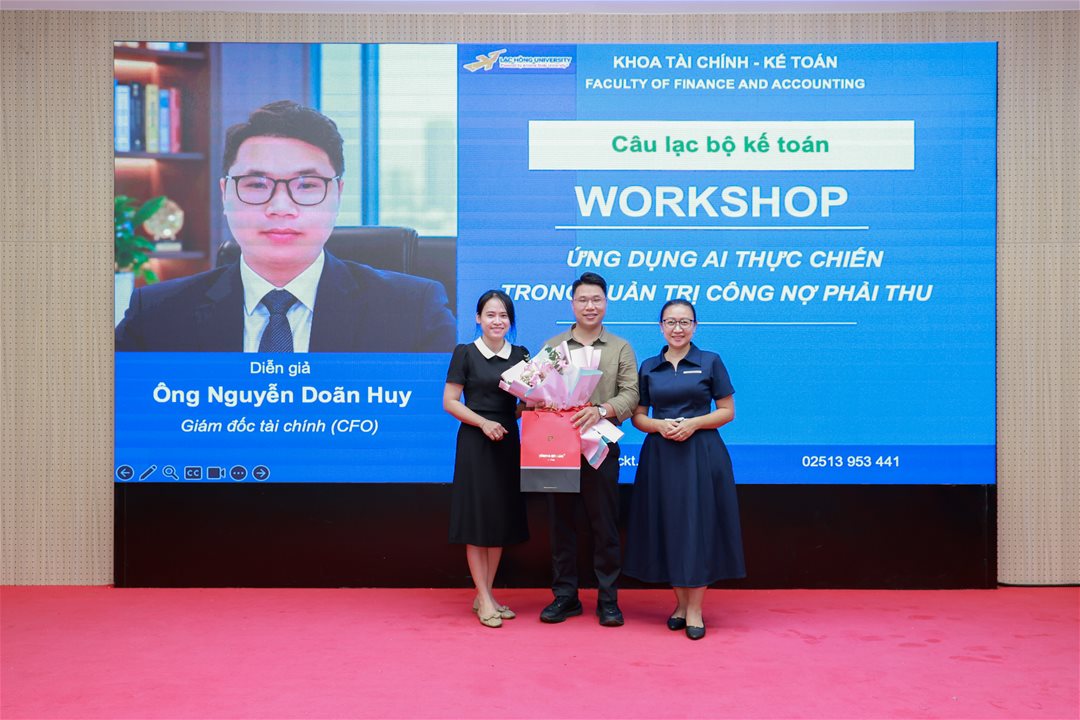
The Faculty of Finance and Accounting at Lac Hong University extends its sincere appreciation to Mr. Nguyen Doan Huy, Chief Financial Officer of Loi Loc Holdings Group, for dedicating his time to engaging with students and sharing valuable professional knowledge and practical experience. The participation of industry experts and corporate executives contributes to meaningful learning opportunities while further strengthening university–industry collaboration in the education and development of future accounting professionals.
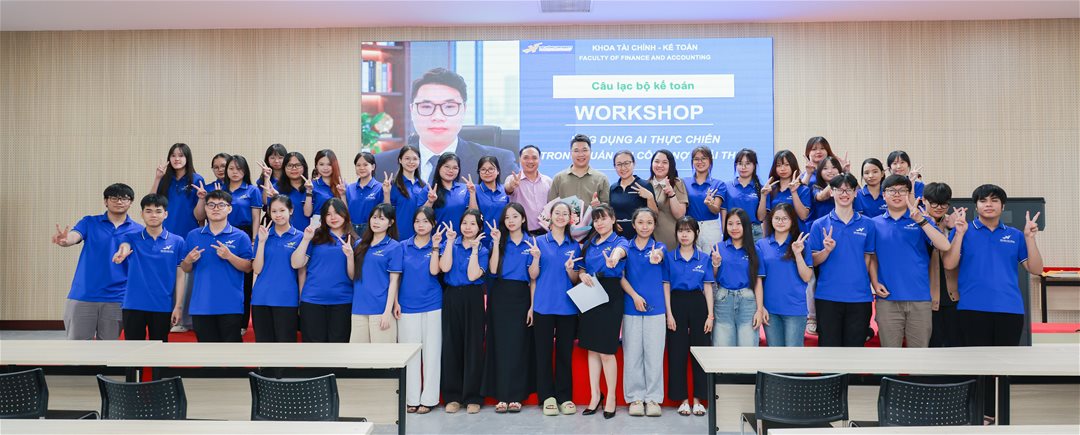
The seminar “Practical Applications of Artificial Intelligence in Accounts Receivable Management” not only broadened students’ understanding of AI applications in accounting but also highlighted an essential requirement of the modern accounting profession: Accounting professionals must continuously update their technological knowledge, develop analytical thinking, and integrate professional expertise with digital tools to enhance operational effectiveness and support informed decision-making.
